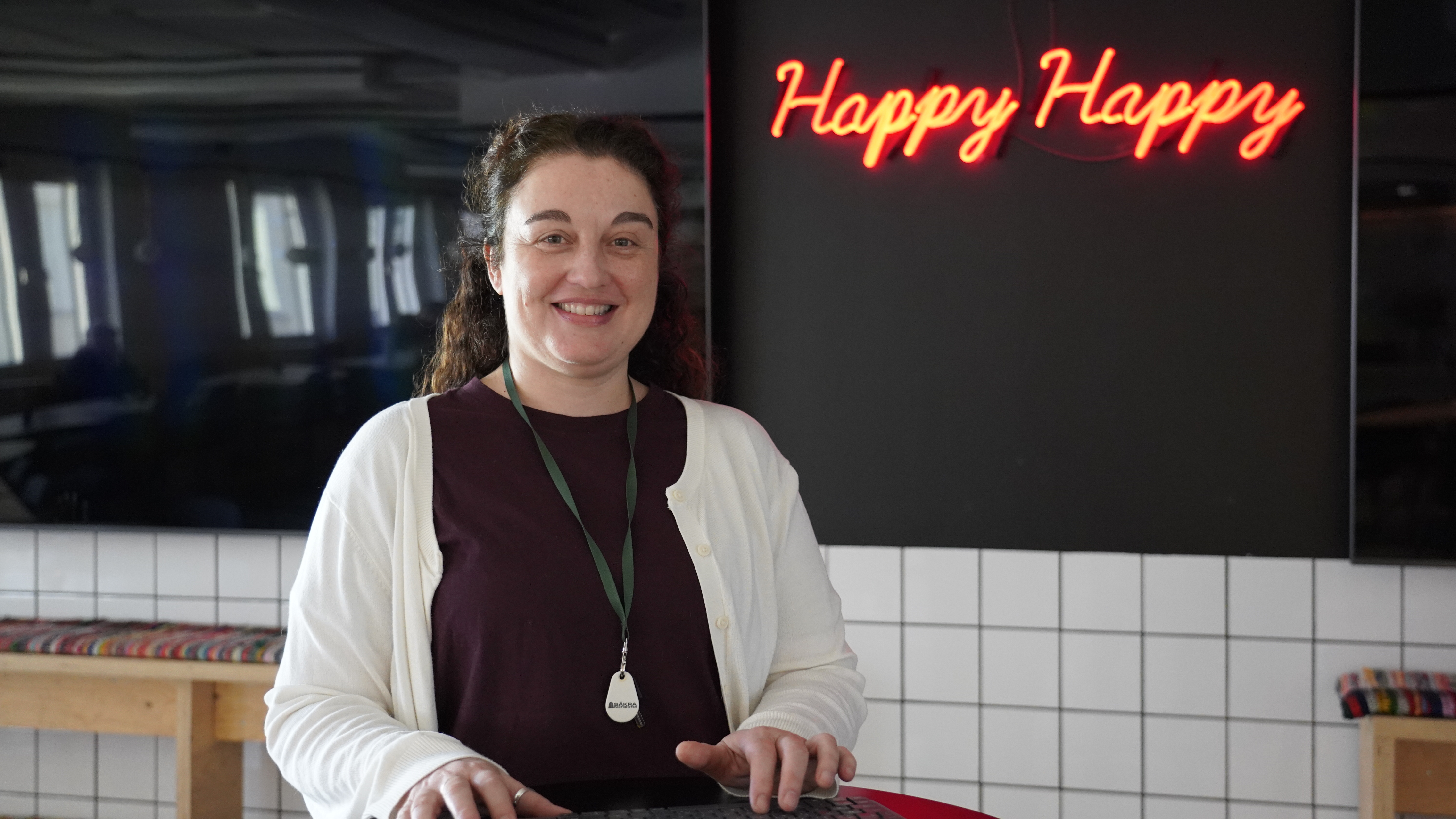

Beatriz Gutierrez
Backend Developer – TechWhat sparked your interest in studying programming?
I actually first studied computer science because I've always loved maths, but I didn't want to study it as a pure subject so computers felt like a way of applying maths to something real and tangible. After working at consultancy companies for a few years I went back to university to study a master's in data science, because I wanted to use computer science across a wider spectrum and get a higher view of things.
After my master's I moved to Sweden and eventually started looking for something focused on backend architecture and microservices - and that's when I found Kivra. One of the things that really drew me in was Erlang. Very few companies work with functional languages, and I found that genuinely exciting. I read up on it and quickly saw that it was a powerful and interesting language, and that was one of the main reasons I wanted to join.
What does a typical day look like for you as a backend developer?
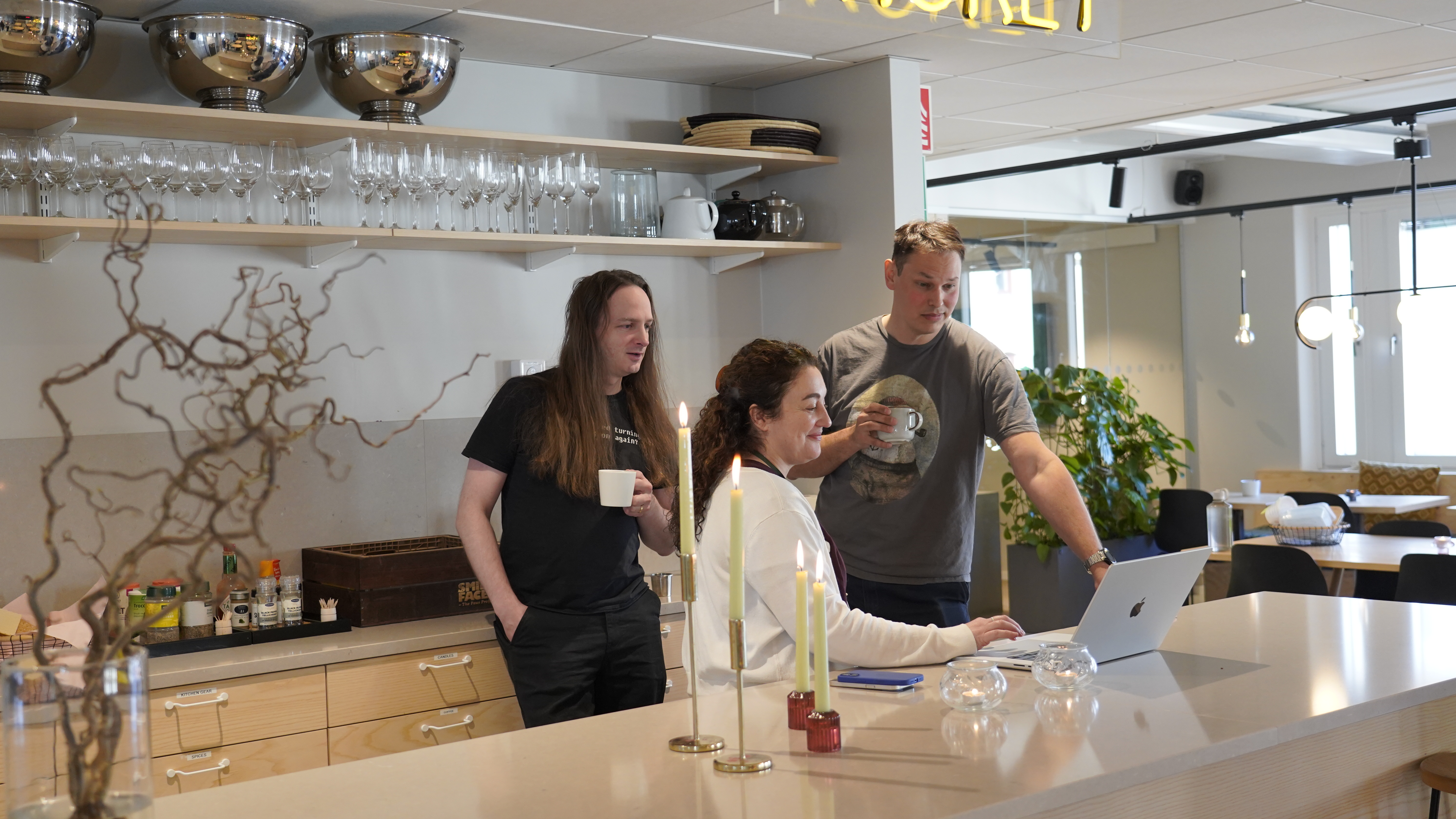
I come into the office most days, because I live nearby and really enjoy the energy here. My work sits within the sender domain, building and improving microservices for our clients. But it's never isolated. I collaborate with other teams like payments and the user domain, and everything is open and transparent across the whole company. We work agile, which means we iterate quickly rather than spending months on a single thing. No two days look the same, and I think that's what makes it fun.
How have your first six months at Kivra been?
It feels like more than six months because I've learned so much. Learning Erlang from scratch while delivering real work was a big challenge, but I'm proud of how far I've come. I have also been part of restructuring one of Kivra's core components from the ground up. It has been a significant challenge for the whole team, but it worked out really well and now we're moving on to an even bigger project. Every milestone builds on the last, and that feeling of progress has been one of the most rewarding parts.
What do you think could encourage more girls to pursue programming?
I think communities play a huge role. Seeing other women working in tech, at different stages and in different roles, makes a real difference, especially for young women still figuring out their path. When I moved to Sweden I joined "Women in Data Science in Sweden," and it was inspiring to see so many women across the industry. That kind of visibility is powerful. If girls can see themselves reflected in the field from an early age, it opens doors that might otherwise feel closed.